Do you have friends who absolutely love LEGO® sets and get a new one whenever they can? We all know at least one person like that. But have you ever wondered what happens to LEGO® sets when they are no longer wanted? The fact that LEGO® bricks are made to last means they can be enjoyed again and again, but do we really know how to make the most of this benefit?
A WeBuyBricks survey found that 25.34% of people keep their unused LEGO® bricks in the loft, while 22.49% store them in a spare room and 20.97% in a cupboard. This shows just how many old LEGO® sets and loose bricks can end up tucked away around the home. When they are no longer wanted, some may eventually be thrown away and sent to landfill. Because LEGO® bricks are made from highly durable plastic, discarded bricks can remain intact for a very long time. Estimates referenced by WeBuyBricks suggest that LEGO® products can remain intact for up to 1,300 years before breaking down.
But the same durability that means LEGO® bricks can last for decades also means they can be enjoyed for decades. Rather than throwing unwanted LEGO® sets and pieces away, reusing them gives them the opportunity to become part of someone else’s collection or a new build. Selling unwanted LEGO® bricks can be one way to help keep them in circulation rather than sending them to landfill.
LEGO® sets and bricks are very popular, which means there are large numbers of sets and pieces in homes across the country. When children grow up and move away, or families simply no longer want their old LEGO® collections, the pieces can end up stored in lofts, garages and sheds. Eventually, they may be thrown away. Once they reach landfill, however, their durability means they won't simply disappear in a short period of time.
As the team says:
I don’t think people realise how popular LEGO® products are, or how many LEGO® sets are sitting in garages, sheds and lofts.
This means there is a huge opportunity to keep unwanted LEGO® sets and pieces in circulation rather than sending them to landfill.
LEGO® bricks are made from a highly durable plastic called ABS (acrylonitrile butadiene styrene). The material needs to be strong and firm enough for LEGO® pieces to connect securely, while also withstanding repeated use. The pieces are designed to be connected, separated and rebuilt time and time again without easily breaking.
That durability is one of the reasons LEGO® bricks can last for decades. However, it also means that discarded LEGO® pieces can take hundreds of years to decompose.
This is why keeping unwanted LEGO® bricks in use for as long as possible can be a more sustainable choice than throwing them away. Instead of sitting unused in a loft, garage or shed, pre-loved LEGO® bricks can be passed on and enjoyed again and again.
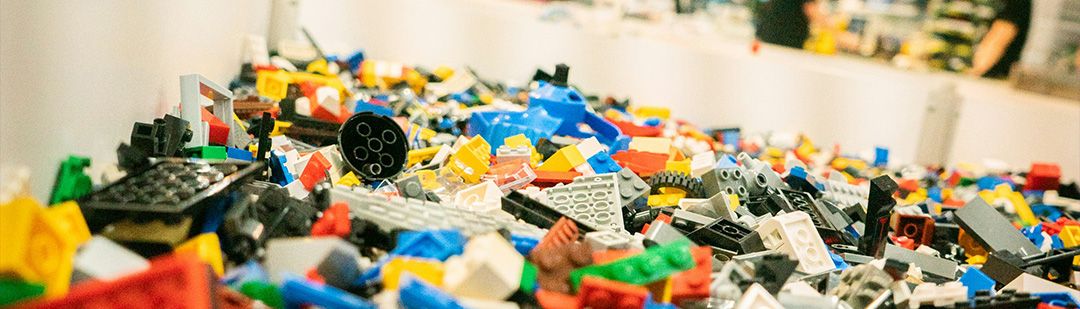
LEGO® bricks are designed to last, and their durability means they can remain in use for generations. Even pieces that were produced decades ago can still be enjoyed today, as the WeBuyBricks team explains:
We have some LEGO® pieces that are 40 or 50 years old. You can put them next to the exact same piece produced this year, and you wouldn’t be able to tell the difference.
This demonstrates just how long LEGO® pieces can remain useful. Rather than being treated as something that needs replacing, the same LEGO® bricks can be passed from one owner to another and continue to be enjoyed.
If you have LEGO® sets or bricks that are no longer being used, throwing them away isn't the only option. They can be sold, passed on or reused by someone else. You can even sell your unwanted LEGO® bricks and sets to WeBuyBricks, helping them find a new home. A collection that has been sitting untouched in a loft for years could still have plenty of life left in it. Reusing those pieces gives another builder the chance to create something with them, while also helping to keep durable plastic products out of landfill.
Reusing LEGO® bricks means existing pieces can stay in circulation instead of being discarded. Rather than producing a new set or using new pieces every time someone wants to build, pre-loved LEGO® bricks can be enjoyed by new owners. For WeBuyBricks, this is an important part of the company's approach to sustainability.
The best thing we can do is keep LEGO® products out of landfill and reuse them time and time again. That’s what we’re trying to do here – one set at a time.
The idea is simple: if LEGO® bricks are made to last, they should have the opportunity to be used for as long as possible.
LEGO® bricks are designed to withstand repeated use, so there is no reason for them to have to stop being useful after one owner has finished with them. A LEGO® set that has been sitting in a loft for years could potentially be enjoyed by a new builder. Individual LEGO® pieces can also become part of completely different builds and collections. By keeping these pieces in use, we can make the most of the durability that LEGO® was designed with.
The team sums it up:
If it’s built to last, why not reuse it time and time and time again?
Reusing LEGO® bricks gives them a longer life and helps prevent usable pieces from becoming unnecessary waste.
When unwanted LEGO® sets and pieces are passed on to someone new, they can continue to be built, collected and enjoyed rather than sitting unused or being thrown away. For WeBuyBricks, giving these pieces another life is at the heart of what the business does.
Taking LEGO® pieces that could potentially end up in landfill and giving someone the chance not only to reuse them, but to enjoy them again, is what gets us up in the morning and drives us to do what we do.
LEGO® bricks are built to last, and that doesn't have to be a problem. Their durability means they can be reused by different people, enjoyed in new builds and kept in circulation for years to come. Instead of ending up in landfill, an unwanted LEGO® collection could have plenty of building left to do.
LEGO® bricks are made from highly durable ABS plastic and can take hundreds of years to decompose. Rather than throwing unwanted LEGO® pieces away, reusing them gives them the opportunity to remain in use for much longer.
LEGO® bricks are made from a highly durable plastic called ABS, which stands for acrylonitrile butadiene styrene. The material needs to be strong enough for LEGO® pieces to click together and withstand repeated use.
LEGO® bricks can remain usable for decades. The WeBuyBricks team has seen LEGO® pieces that are 40 or 50 years old and still look very similar to newer pieces.
Instead of throwing unwanted LEGO® sets away, consider passing them on, selling your sets or finding someone who can reuse the LEGO® pieces. This gives the bricks another opportunity to be enjoyed and helps keep them out of landfill.
Reusing LEGO® bricks keeps existing pieces in circulation for longer instead of sending durable plastic to landfill. Because LEGO® pieces can last for decades, giving them to another owner allows the same pieces to be enjoyed again and again.
WeBuyBricks buys unwanted LEGO® sets and bricks and then resells them to new owners. By giving pre-loved LEGO® pieces another opportunity to be enjoyed, the aim is to keep them in circulation rather than allowing them to end up in landfill.
LEGO® bricks are made to last, so there’s no reason for unwanted sets and pieces to end up in landfill. Whether you’re looking to give your old LEGO® sets and bricks a new home or discover something new to build with, keeping bricks in circulation is a simple way to make the most of what already exists. You can sell your unwanted LEGO® sets and give them another chance to be enjoyed, or explore our range of LEGO® sets and give pre-loved bricks a new home. Every set that is reused is one less set going to waste.
Would you like to continue the conversation? Share this post!